Projects
Research Projects
Current, upcoming, and completed SADL research and data initiatives.
Active Research
Current Projects
Ongoing research projects and data initiatives.
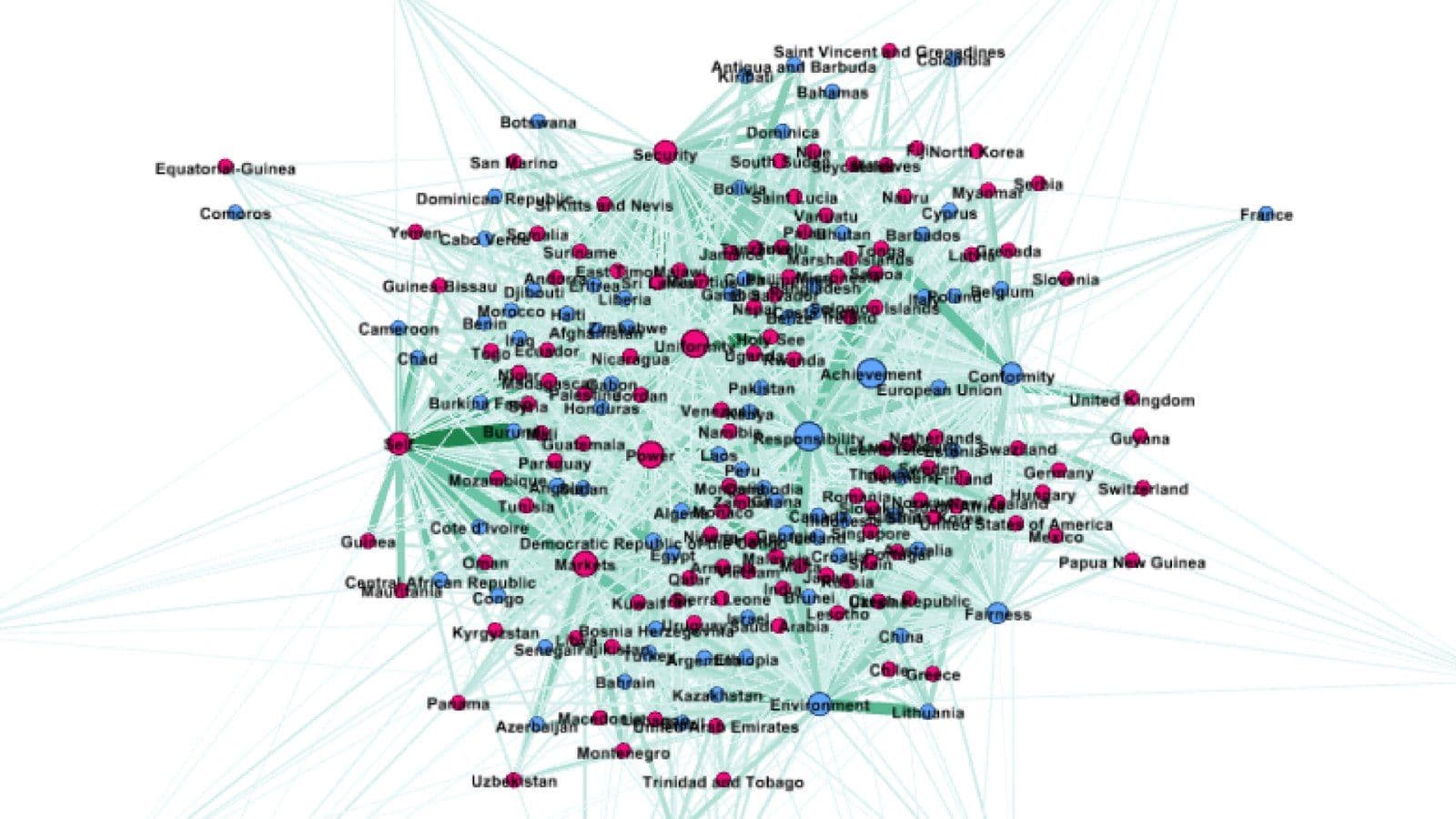
Figure (cropped): Almquist, Bagozzi, Blinova & Brown (2026), Network Science 14:e7, Fig. 2(c), CC BY 4.0
Environmental Politics
UNFCCC Climate Negotiation Networks
Research on participation, organizational diversity, value networks, and negotiation dynamics across more than 30 years of international climate change talks.
Related publications
In Search of Common Ground: Exploring Value Networks at the UNFCCC Climate Change Talks; Dynamic Networks of Negotiation for International Climate Change Cooperation
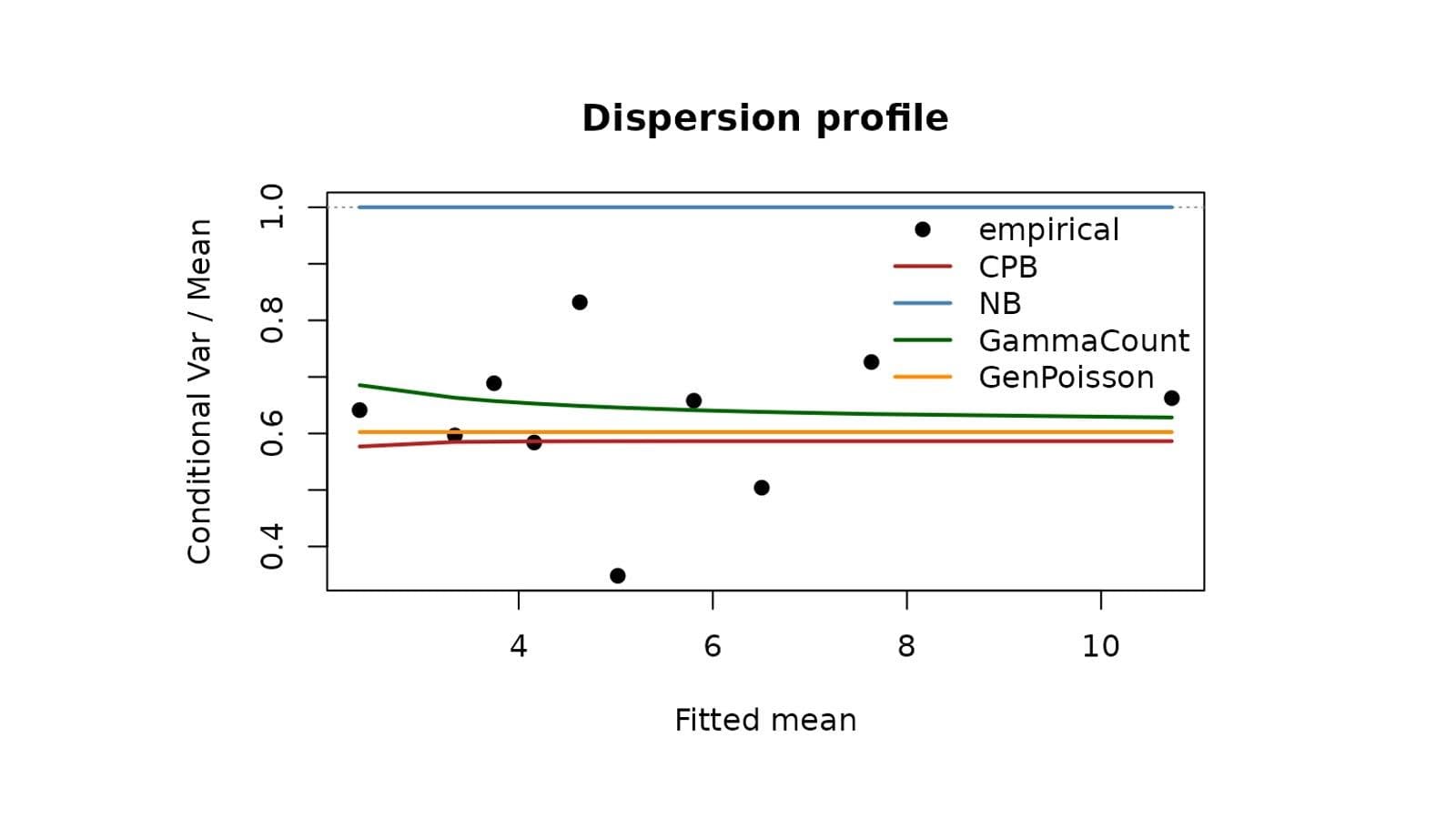
Figure: underdisp package documentation (Bagozzi 2026)
Computational Methods
Methods and Software for Imperfect Political Data
Statistical models for political outcomes that are inflated, underdispersed, misclassified, or underreported, released as open-source R packages (underdisp and iop) so that researchers can apply them directly.
Related publications
Modeling Two Types of Peace: The Zero-Inflated Ordered Probit (ZiOP) Model in Conflict Research; Top-Category Inflation in Ordered International Relations Outcomes; A Bayesian Split Population Survival Model for Duration Data with Misclassified Failure Events; The Prevalence and Severity of Underreporting Bias in Machine and Human Coded Data
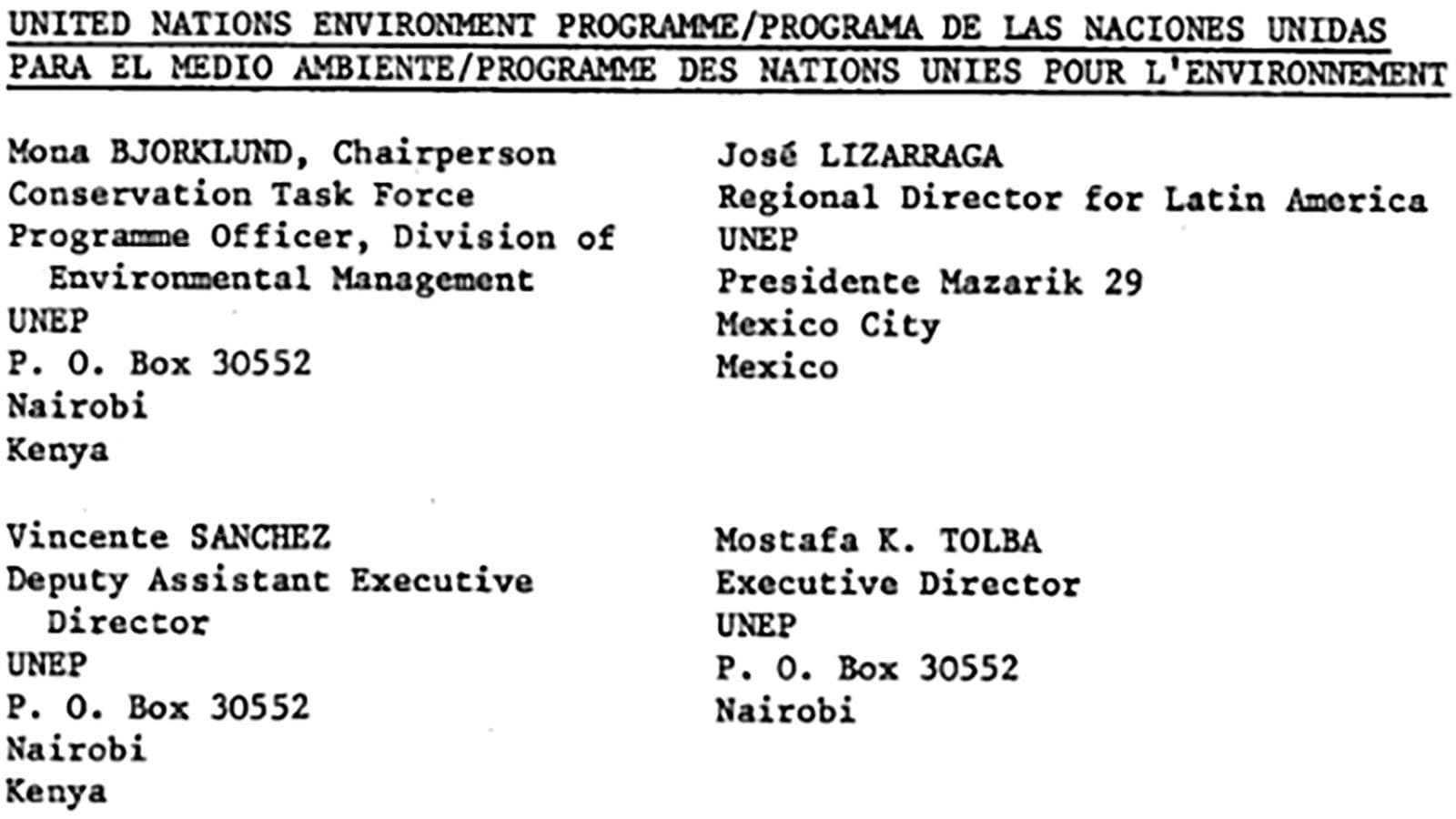
Figure: Blinova, Emuru, Emuru & Bagozzi (2026), Scientific Data 13:493, Fig. 1, CC BY-NC-ND 4.0
Environmental Politics
CITES Conference Attendance Data
Geo-located attendance data and research on participation in Convention on International Trade in Endangered Species conferences of the parties.
Related publications
Geo-Located Attendance Data for CITES Conferences of the Parties
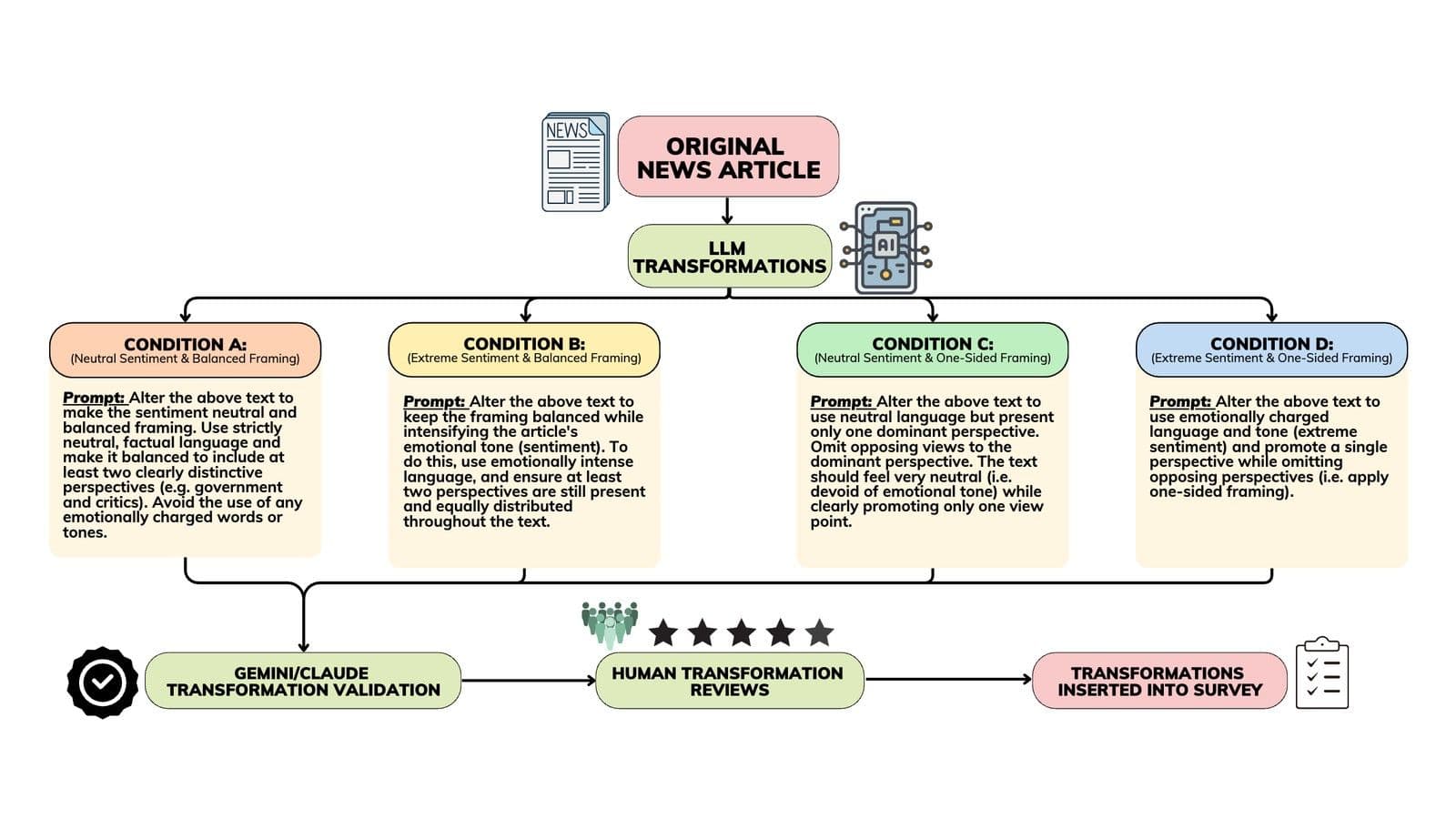
Figure: Khatiwada, Pappu, Bagozzi & Mauriello (2026), CHI '26, CC BY 4.0
Misinformation & Media
Large Language Models and the Political Information Environment
How large language models shape and evaluate political news: experiments on how readers respond to AI-rewritten news, audits of LLM evaluators that flag polarizing language, and large annotated datasets of election-period posts on X and Bluesky for harmful-content research.
Related publications
When AI Rewrites the News: How Sentiment, Framing, and LLM Disclosure Shape Perceptions; Severity-Dependent Bias in LLM Evaluators: A Span-Level Audit of Polarizing Language Detection in Everyday News
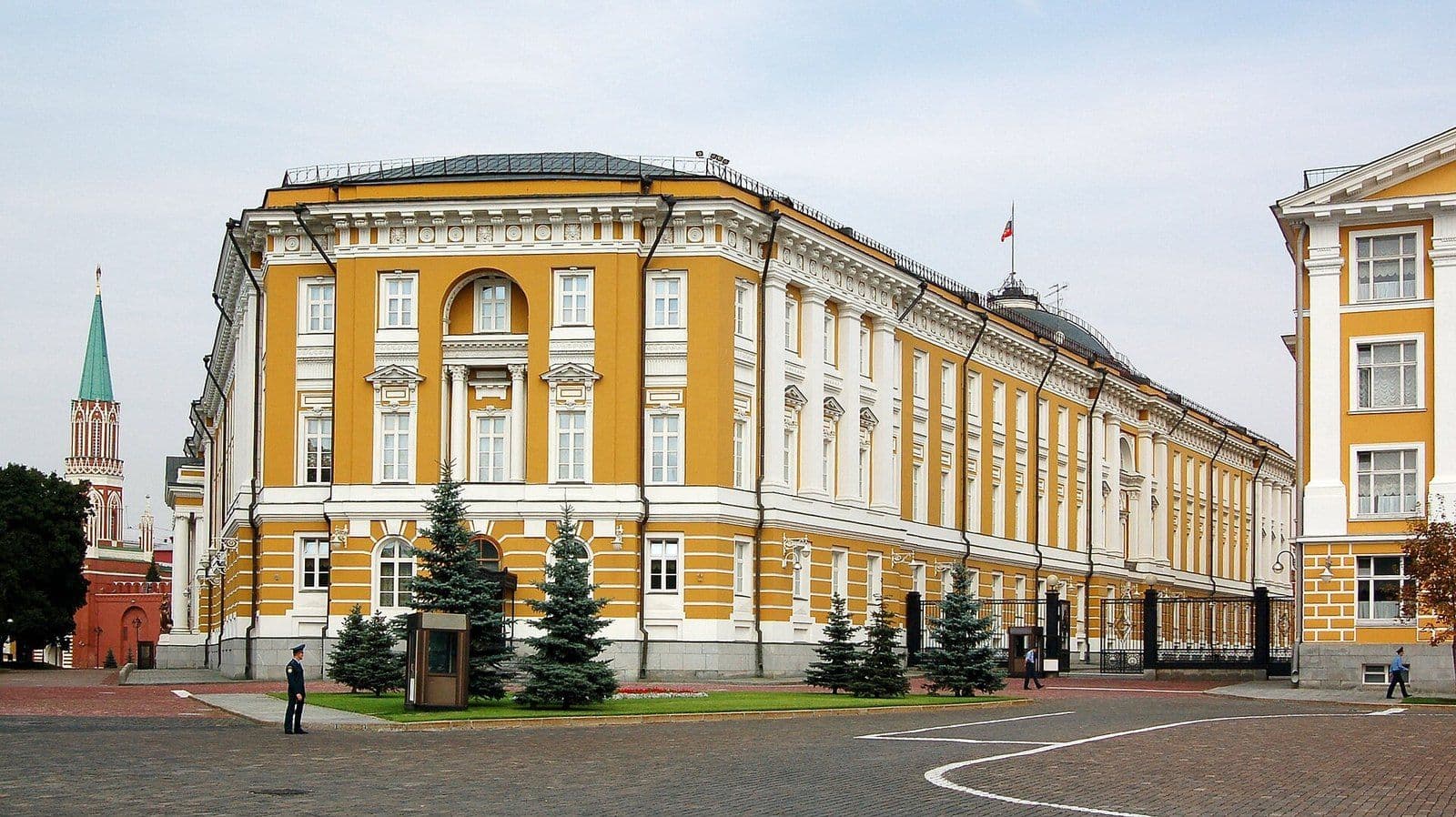
Photo: Bahnfrend / Wikimedia Commons, CC BY-SA 4.0
Computational Methods
Russian Domestic and Foreign Policy Speech Data
Linked multi-modal data (texts, images, and captions) for studying Russian domestic and foreign policy speeches with computational methods.

Logo: DARSE, University of Delaware
Computational Methods
SCIPE: Building a Computational and Data-Intensive Research Workforce
NSF SCIPE initiative (2024-2029; PI: Sunita Chandrasekaran; co-PI: Benjamin E. Bagozzi) to build a computational and data-intensive research workforce across social science and STEM disciplines in the Mid-Atlantic region.
NSF OAC-2417814 - $4,679,886
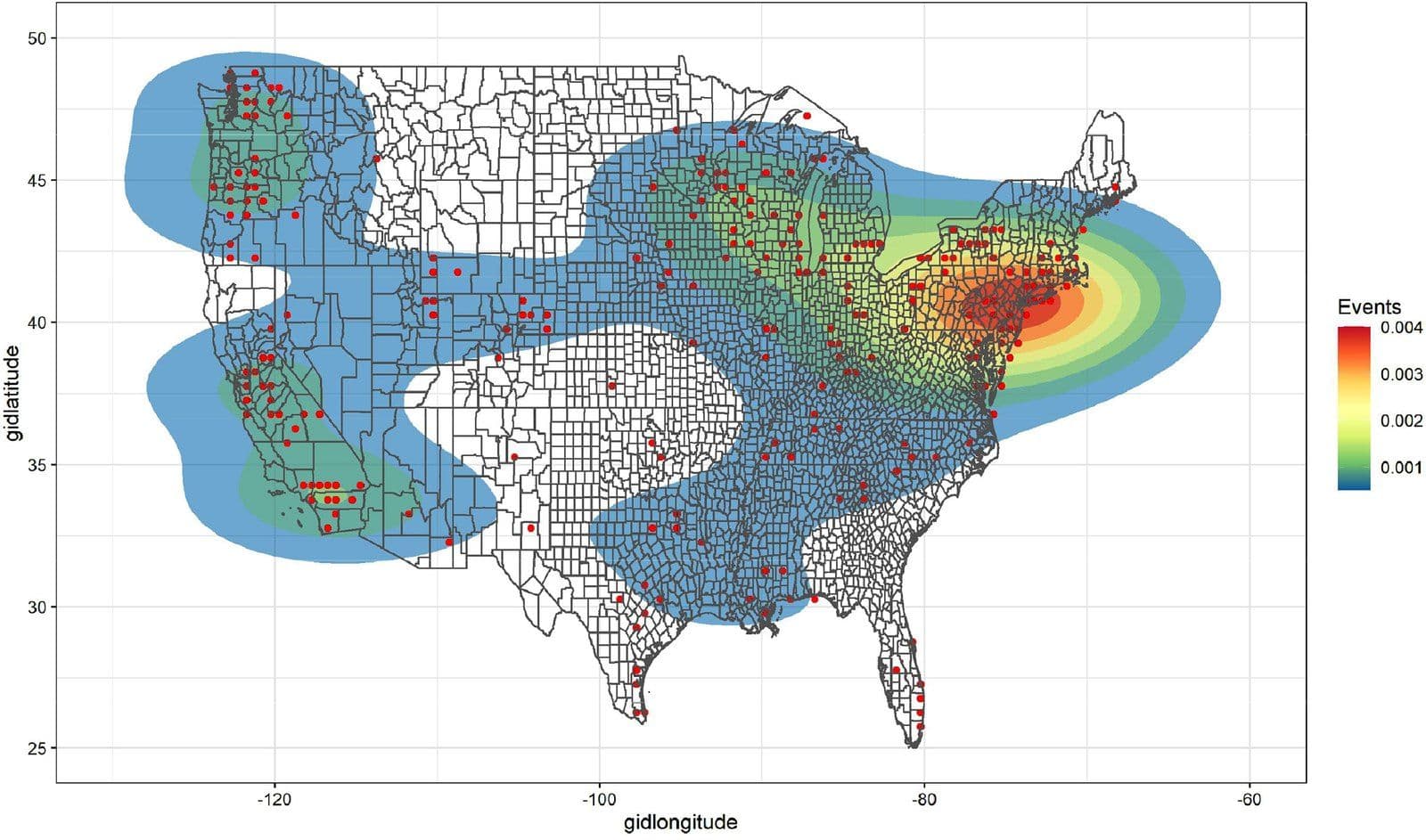
Figure: Almquist, Bagozzi & Blinova (2025), Data in Brief 60:111543, Fig. 6, CC BY 4.0
Environmental Politics
Radical Environmental Direct-Action Event Database
Historical spatio-temporal dataset of North American radical environmental direct-action events, capturing protest tactics, targets, and geographic distribution over time.
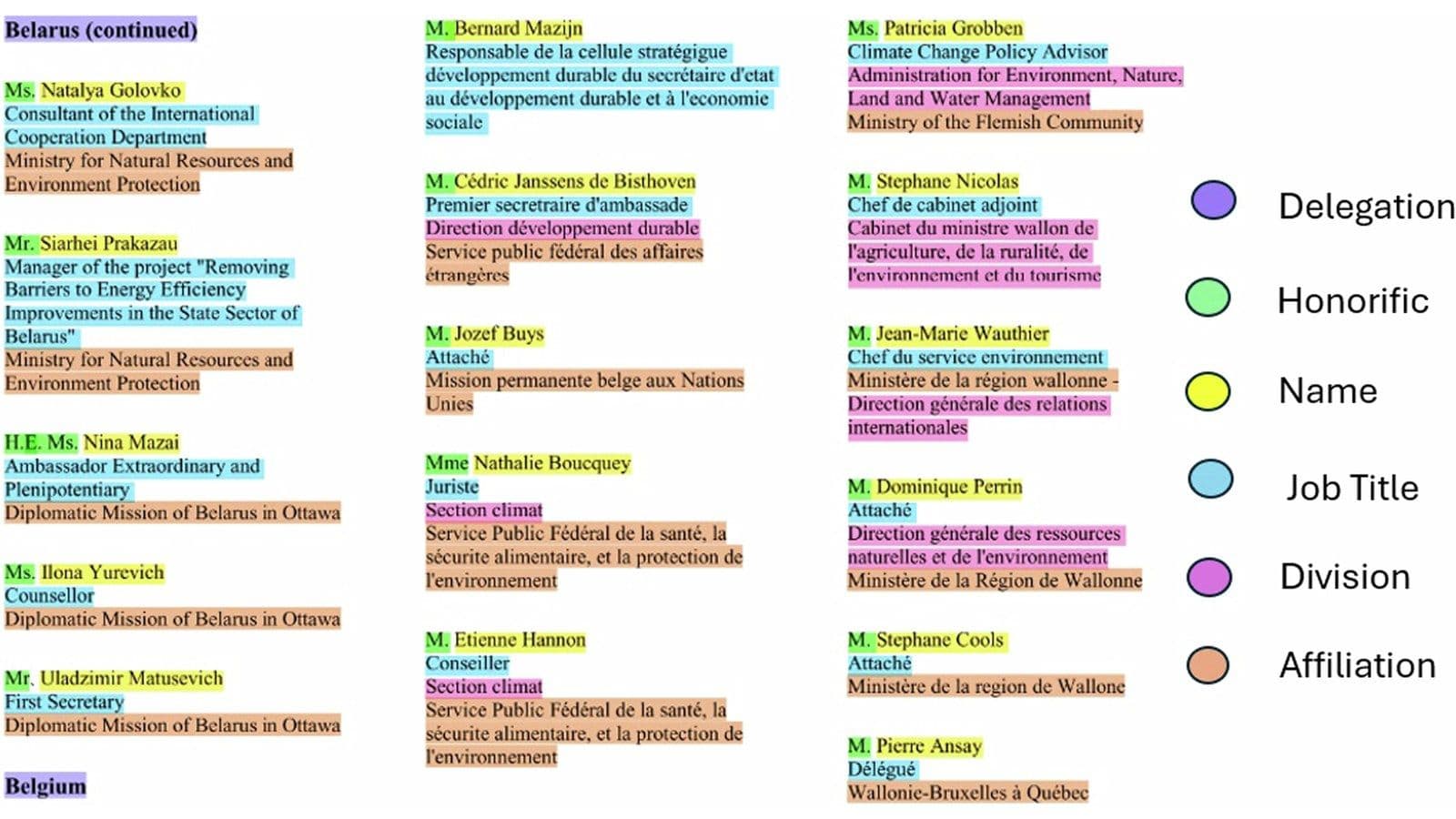
Figure: Blinova, Emuru & Bagozzi (2024), Scientific Data 11:1134, Fig. 7, CC BY-NC-ND 4.0
Environmental Politics
International Climate Change Talks Attendance Database
Over 30 years of individual-level attendance data for international climate change negotiations (UNFCCC COPs), enabling analysis of delegation composition and participation patterns.
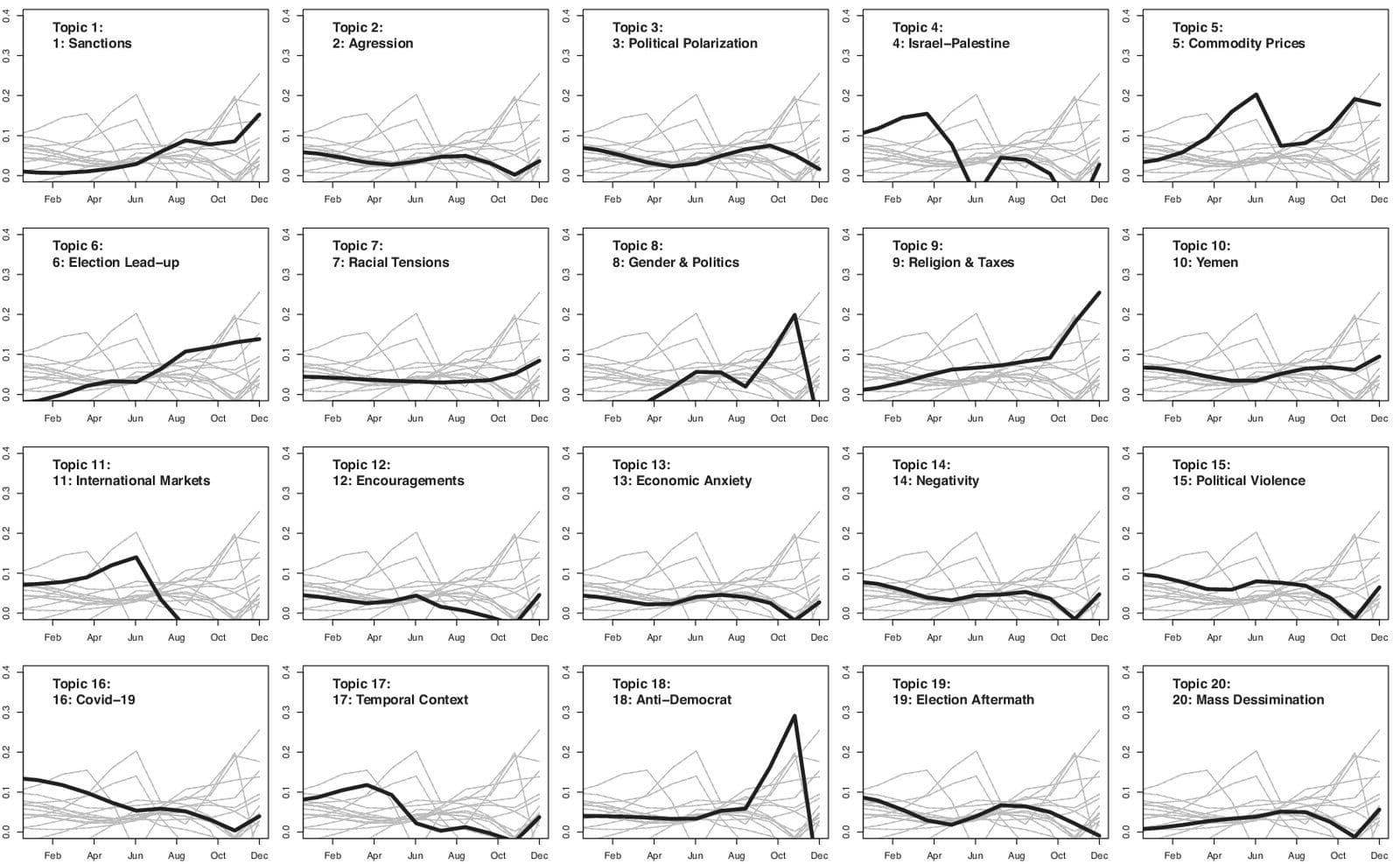
Figure: Bagozzi, Balasubramanian, Goel & Parker (2025), Data & Policy 7:e19, Fig. 4, CC BY 4.0
Misinformation & Media
Social Media Misinformation Detection
Framework for enhancing social media misinformation detection using topical-tactics analysis, with applications to state-linked manipulated media including Iranian COVID-19 disinformation.
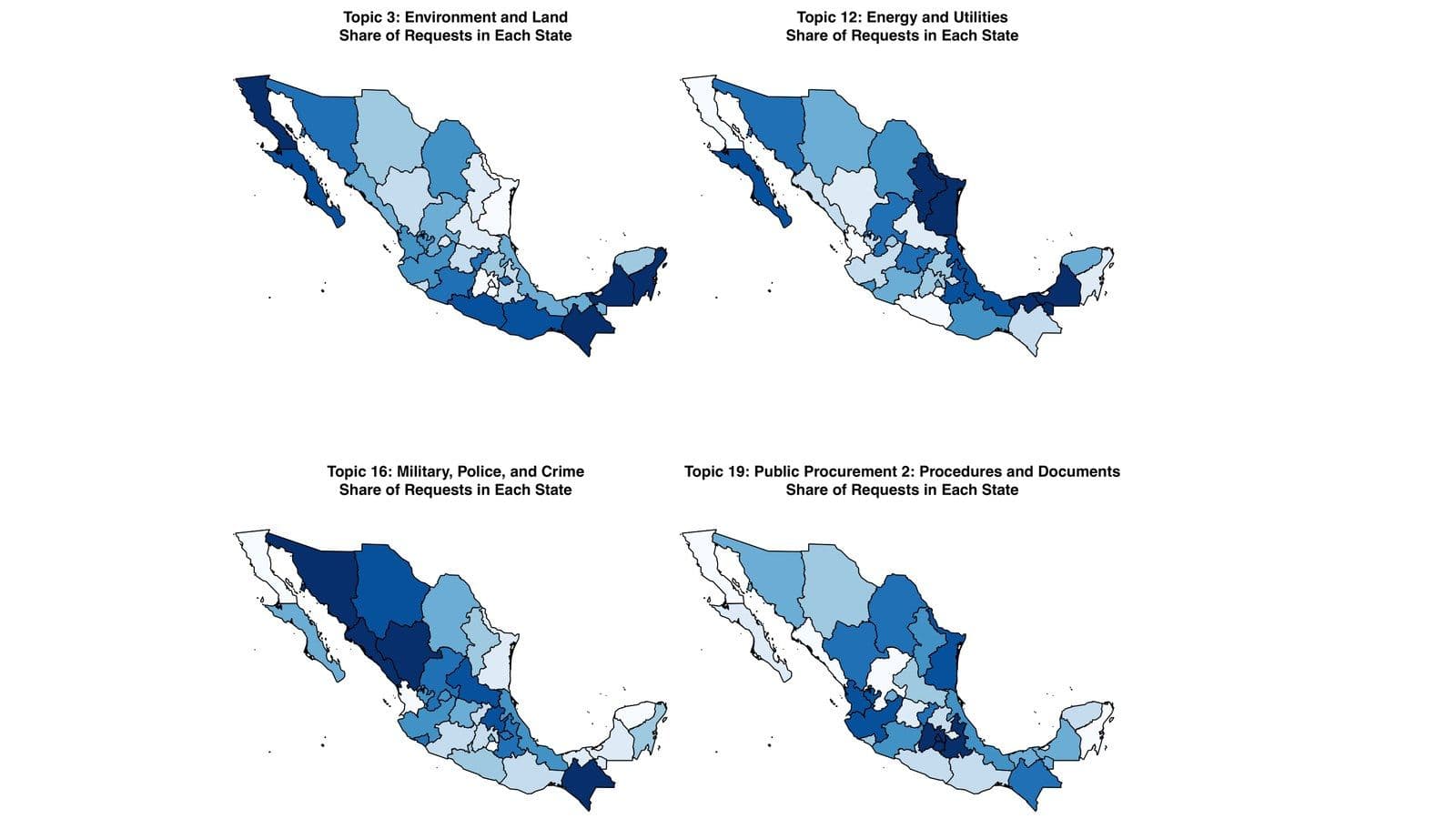
Figure: Berliner, Bagozzi & Palmer-Rubin (2018), World Development 109:222-235 (accepted manuscript, LSE Research Online), Fig. 4, CC BY-NC-ND 4.0
Transparency & Open Government
Freedom of Information & Government Responsiveness
Multi-country study of government disclosure patterns, citizen information requests, and bureaucratic responsiveness, using over one million public information requests from Mexico and other contexts.
Past Work
Completed Projects
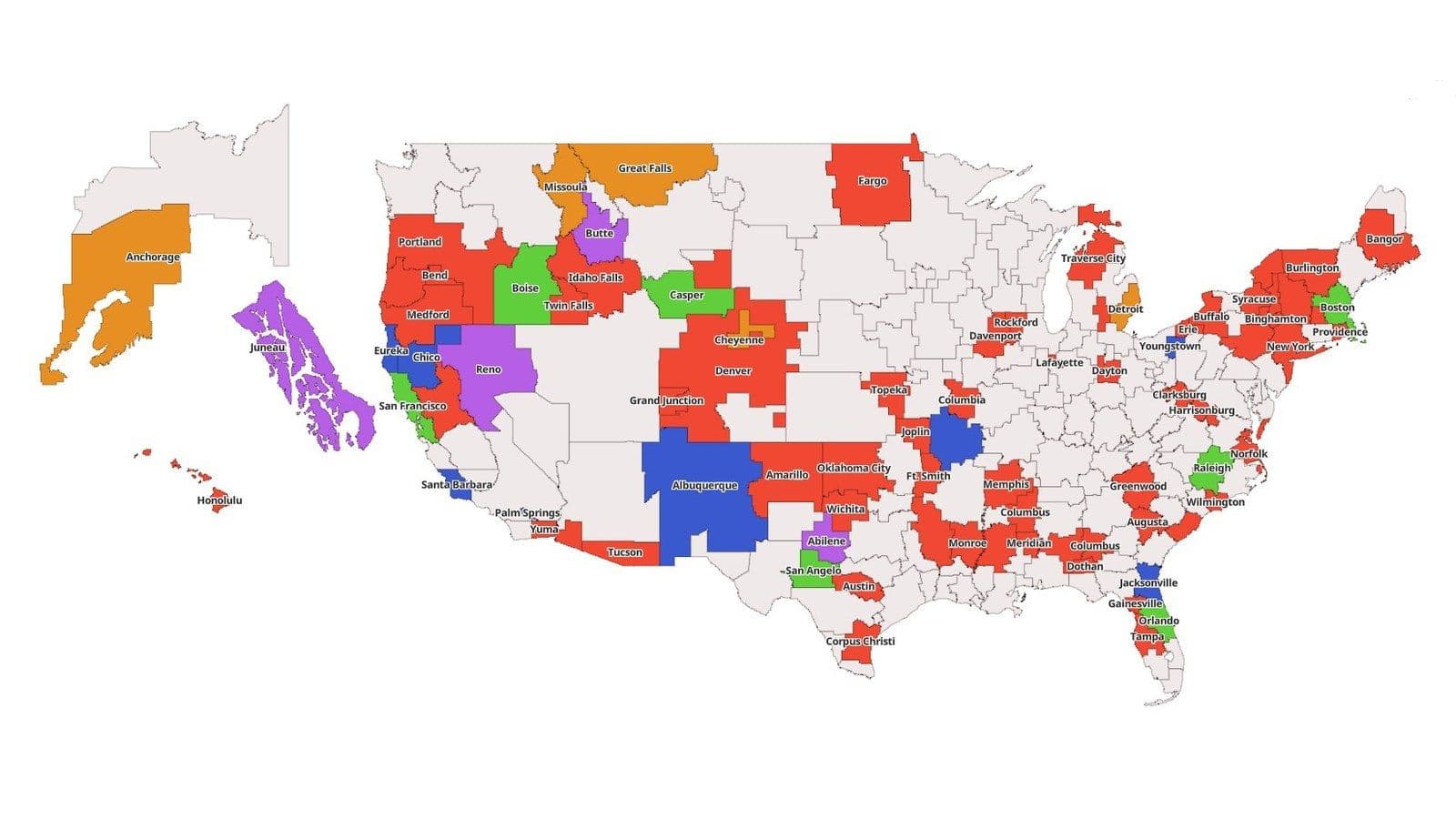
Map: David Racca (CADSR, UD), in Yanich & Bagozzi (2025), "Reusing the News: Duplicating Local TV Content," Fig. 10, CC BY-NC-ND 4.0
Misinformation & Media
Local Television News Consolidation and Content Reuse
Large-scale research measuring local broadcast news delocalization, television-station consolidation, and duplicated local content.
Knight Foundation · 2021-2023
Related publications
Reusing the News: Duplicating Local TV Content; Duplicating the News: Local TV News & Text Reuse
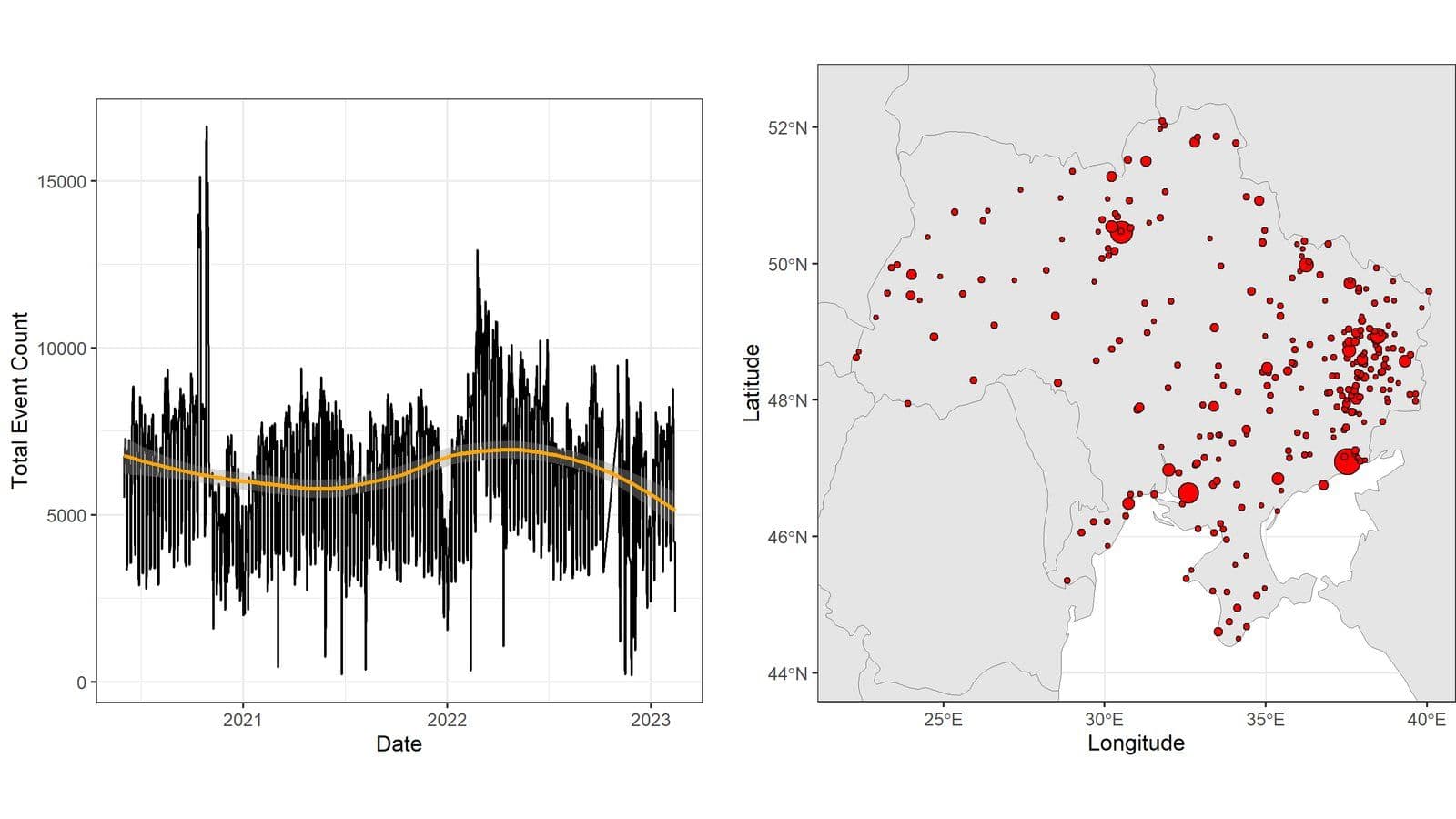
Figure (adapted): Halterman, Bagozzi, Beger, Schrodt & Scarborough (2023), "PLOVER and POLECAT," SocArXiv rm5dw, Figs. 1(b) and 2(e), CC BY 4.0; panels combined
Political Violence & Human Rights
POLECAT Political Event Data
Modernized weekly political event data supporting computational social science research on conflict and political behavior.
PLOVER ontology initially supported in part by NSF SBE-SMA-1539302. This research was sponsored by the U.S. Government. The views expressed in this paper are the author’s alone and do not represent the views of the U.S. Government.
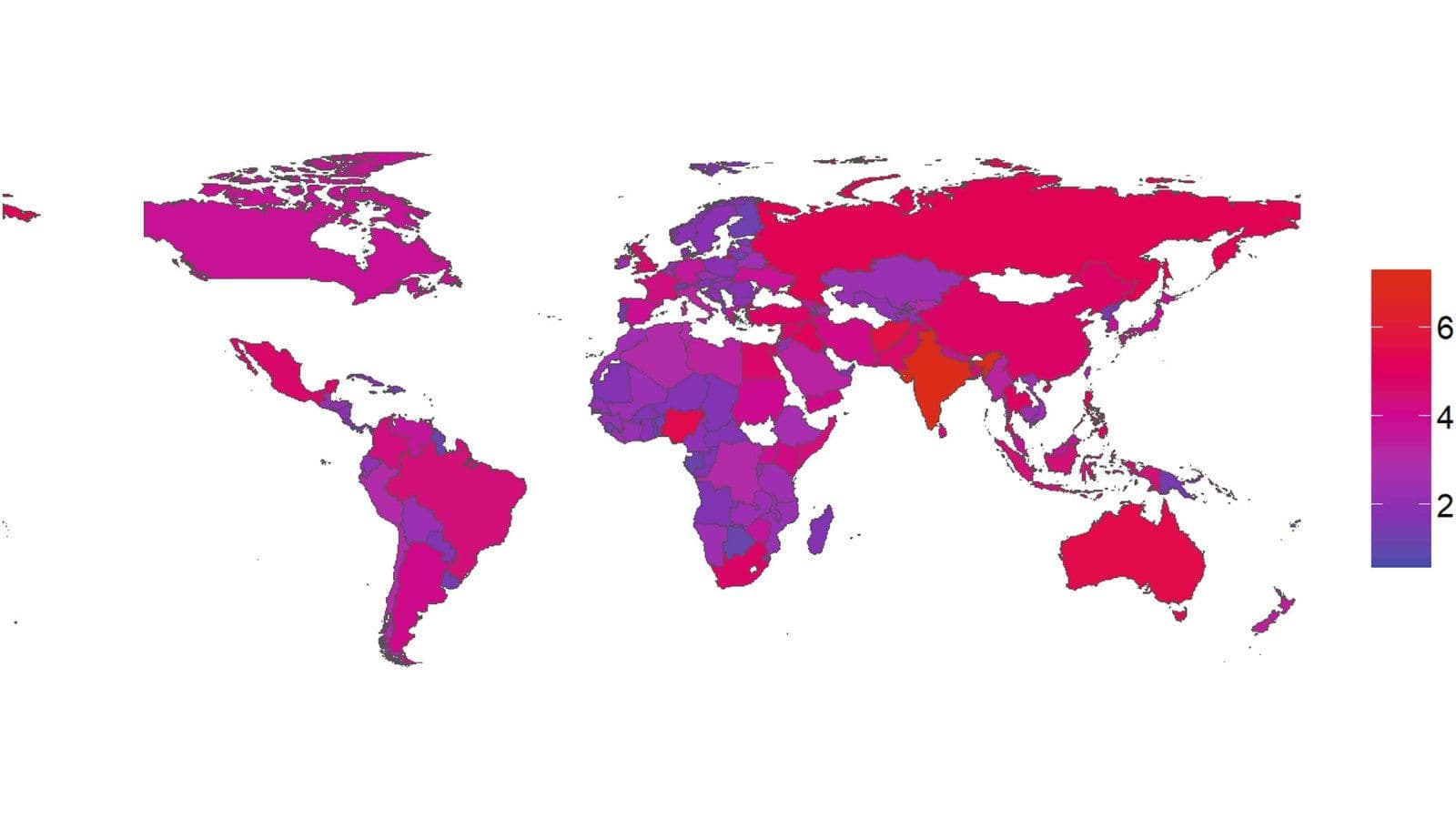
Figure: Mukherjee, Bagozzi & Chatterjee (2023), Environmetrics 34(2):e2778, Fig. 3, CC BY-NC-ND
Computational Methods
Spatio-Temporal Threat Detection
Collaborative research on multivariate quantiles for rapid spatio-temporal threat detection.
National Science Foundation DMS-1737865
Reference
Research Themes
Environmental Politics
Data-driven work on environmental movements, climate negotiations, climate shocks, and environmental governance.
Misinformation & Media
Computational analysis of manipulated media, misinformation tactics, political communication, and online information systems.
Transparency & Open Government
Research on public accountability, access-to-information requests, government disclosure, and bureaucratic responsiveness.
Political Violence & Human Rights
Studies of conflict, repression, human rights monitoring, food insecurity, and violence against civilians.
Computational Methods
Computational social science methods for political data, including text-as-data, event data, and statistical modeling.